
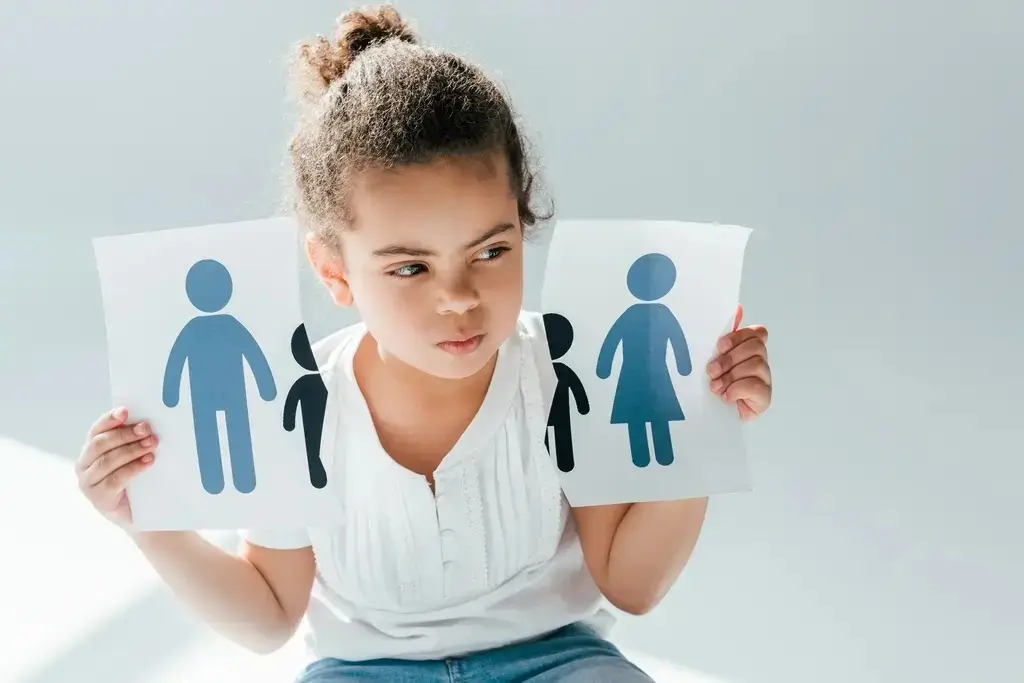
Divorce is one of the most significant life transitions a child can experience—especially during the elementary school years. At this developmental stage, children are still building emotional regulation, academic foundations, and social understanding. When family structures change, it can deeply influence how they think, feel, and behave.
At Rocky Mountain Psychological Services, we often work with families navigating this transition. Through clinical experience and evidence-based assessments, we understand that the effects of divorce on young children are not always immediately visible, but they are almost always present.
This blog explores divorce and elementary school children, focusing on emotional, academic, and behavioral changes, while offering practical strategies for helping kids cope with divorce in healthy, supported ways.
Understanding Divorce Through a Child’s Eyes
For adults, divorce may be a rational and sometimes necessary decision. For a child, however, it represents a major disruption to their sense of safety and predictability. Elementary-aged children (typically 5–12 years old) are in a developmental phase where they rely heavily on structure, routine, and parental stability.
At this age, children are still developing logical reasoning skills. Many think in concrete terms, which means they may misunderstand abstract concepts like separation or legal decisions. For example, they might believe that if parents argue less, the family can “go back to normal,” or that their own behavior caused the separation.
Research by Amato (2010) suggests that children often internalize divorce as something they may have contributed to, particularly if they have previously been disciplined or witnessed conflict. This can create a deep sense of guilt and confusion that is not always verbally expressed.
Additionally, children may struggle to understand permanence. Questions like “Will you get back together?” or “Where will I live forever?” reflect their attempt to regain a sense of control in an uncertain situation. Without consistent reassurance, this uncertainty can become chronic anxiety.
Emotional Effects of Divorce on Young Children
1. Confusion and Emotional Overload
One of the most immediate effects of divorce on young children is confusion. They may not fully understand what divorce means, how long it will last, or how it will affect their daily life.
This confusion often leads to emotional overload. Children may experience multiple emotions at once; sadness about losing the family structure, anger toward one or both parents, fear about the future, and even relief if the household was previously high in conflict.
Younger children, in particular, may lack the vocabulary to articulate these feelings. Instead, emotions may show up as:
- Sudden crying spells
- Irritability over small issues
- Difficulty calming down
Kelly and Emery (2003) found that children often experience the most intense emotional distress during the initial stages of divorce, especially when changes occur quickly or without explanation. Over time, unresolved confusion can evolve into anxiety or depressive symptoms.
2. Separation Anxiety
Separation anxiety is especially common among elementary school children during and after divorce. When one parent moves out or custody arrangements change, children may feel a heightened fear of losing connection with that parent.
This anxiety is not just about physical separation but it is also about emotional security. Children may worry:
- “What if I don’t see them again?”
- “What if they stop loving me?”
This can manifest in behaviors such as:
- Refusing to go to school or activities
- Frequent calls or messages to the absent parent
- Physical symptoms like stomachaches or headaches
According to Hetherington (1999), disruptions in attachment relationships can significantly impact a child’s sense of safety. When routines are inconsistent or communication between parents is strained, separation anxiety can intensify.
3. Loyalty Conflicts
Loyalty conflicts are one of the most psychologically complex challenges children face during divorce. Even in relatively amicable separations, children may feel an internal pressure to remain loyal to both parents.
This becomes more pronounced when:
- Parents speak negatively about each other
- Children are asked to relay messages
- One parent expresses sadness or anger in front of the child
Children may respond by:
- Hiding positive experiences with the other parent
- Agreeing with both parents to avoid conflict
- Feeling guilty for enjoying time with one parent
Emery (2011) highlights that these internal conflicts can create chronic stress, as children feel responsible for maintaining emotional balance within the family. Over time, this may affect their ability to form secure and trusting relationships.
Behavioral Changes in Elementary School Children
Divorce doesn’t just affect internal emotions but it often leads to noticeable changes in behavior, both at home and in school environments.
1. Regression
Regression is a common response to stress in younger children. When faced with overwhelming emotions, children may revert to earlier developmental stages where they felt more secure.
This may include:
- Bedwetting after being previously toilet-trained
- Increased clinginess or needing constant reassurance
- Wanting to sleep with a parent
While this can be concerning for parents, it is often a temporary coping mechanism. It reflects the child’s need for comfort and stability rather than a loss of skills.
2. Acting Out or Aggression
Some children externalize their distress through behavior. Instead of expressing sadness, they may display anger or defiance.
This can include:
- Increased tantrums
- Arguing with authority figures
- Physical aggression toward peers or siblings
Lansford (2009) found that children experiencing divorce, particularly in high-conflict environments, are more likely to exhibit externalizing behaviors. These behaviors are often misunderstood as “discipline problems” when they are actually expressions of emotional distress.
3. Withdrawal and Social Changes
Other children respond by withdrawing. These children may appear quiet or “well-behaved,” but internally they may be struggling significantly.
Signs of withdrawal include:
- Avoiding friends or social activities
- Spending excessive time alone
- Reduced participation in class
Teachers may notice that a previously engaged child becomes passive or disconnected. This internalizing response is associated with increased risk of anxiety and depression if left unaddressed.
Academic Impact: How Divorce Affects School Performance
One of the most overlooked aspects of divorce and elementary school children is the academic impact. Emotional distress can directly interfere with learning processes.
1. Decline in Concentration and Focus
When children are preoccupied with family changes, their ability to concentrate diminishes. Thoughts about home life may intrude during lessons, making it difficult to absorb new information.
Children may:
- Daydream frequently
- Miss instructions
- Struggle to complete tasks independently
This is not a reflection of ability, but rather cognitive overload caused by emotional stress.
2. Inconsistent School Performance
A hallmark of divorce-related academic impact is inconsistency. A child may perform well one week and struggle the next.
Factors contributing to this include:
- Transitions between households
- Differences in routines or expectations
- Emotional fluctuations
Sun and Li (2009) found that children experiencing parental divorce often show variability in academic achievement, rather than a steady decline. This inconsistency can sometimes delay identification of the underlying issue.
3. Reduced Motivation and Engagement
Children dealing with emotional stress may lose interest in school altogether. Activities that once brought joy may now feel overwhelming or unimportant.
They may:
- Avoid homework
- Express negative attitudes toward school
- Show decreased persistence in challenging tasks
At RMPS, psychoeducational assessments often help distinguish whether academic concerns are due to emotional factors, learning differences, or a combination of both.
Early Coping Strategies: Helping Kids Cope with Divorce
Providing early support is critical in reducing the long-term effects of divorce on young children. Evidence-based strategies can significantly improve outcomes.
1. Maintain Stability and Routine
Consistency is one of the most powerful protective factors. When other aspects of life feel uncertain, routines provide a sense of normalcy.
Parents should aim to:
- Keep consistent bedtimes and meal schedules
- Maintain school and extracurricular routines
- Coordinate expectations across households when possible
Fiese et al. (2002) emphasize that predictable routines contribute to emotional security and resilience in children.
2. Encourage Open Communication
Children need opportunities to express their feelings openly. However, they may not initiate these conversations on their own.
Effective strategies include:
- Asking open-ended questions (“How are you feeling about everything?”)
- Using books or stories to facilitate discussion
- Allowing expression through drawing or play
Validation is key; acknowledging feelings without trying to “fix” them immediately helps children feel understood.
3. Avoid Conflict in Front of Children
Parental conflict is one of the strongest predictors of negative outcomes in children. Even subtle tension can be perceived and internalized.
Parents should:
- Avoid arguing in front of children
- Keep communication respectful
- Shield children from legal or financial discussions
Cummings and Davies (2010) found that children exposed to ongoing conflict experience significantly higher levels of emotional distress than those whose parents separate peacefully.
4. Reassure Children of Love and Security
Children need repeated reassurance, not just once but consistently over time.
Key messages include:
- “This is not your fault.”
- “We both love you very much.”
- “We will always take care of you.”
Repetition helps counteract internal fears and misconceptions.
5. Collaborate with Schools
Schools are a critical support system. Teachers can monitor changes and provide additional support.
Parents should:
- Inform teachers or school counselors
- Request academic accommodations if needed
- Monitor progress regularly
Early collaboration can prevent minor issues from becoming significant challenges.
6. Seek Professional Support When Needed
When challenges persist, professional support can provide clarity and direction.
At RMPS, we offer:
- Counseling and play therapy for children
- parent consultation which can help parents with how to support children through this change
- family therapy to help the whole family navigate this change
- Comprehensive psychoeducational assessments
- Emotional and behavioral evaluations
- Tailored intervention strategies
Sandler et al. (2012) found that structured intervention programs significantly improve children’s coping skills and long-term adjustment.
When to Consider a Psychoeducational Assessment
Not all children will openly express their distress during or after a divorce. In many cases, emotional, behavioral, or academic concerns may appear gradually, making it difficult for parents and educators to determine what kind of support is needed.
At RMPS, we emphasize that understanding a child’s needs begins with the right type of assessment.
General Psychological Assessment: Understanding the Child’s Experience
A psychologist will typically begin with a general assessment, which focuses on gaining a comprehensive understanding of the child’s experience before and after the separation or divorce.
This process often includes:
- Gathering developmental and family history (pre- and post-divorce)
- Exploring emotional and behavioral patterns over time
- Identifying current concerns at home and school
- Having parents, and sometimes the child, complete standardized questionnaires
These questionnaires provide structured insights into areas such as anxiety, mood, attention, and behavior. By combining this data with clinical interviews and observations, psychologists can identify patterns that may not be immediately obvious.
This information is then used to develop a tailored treatment plan, which may include strategies for emotional regulation, parenting support, or school-based accommodations.
When a Psychoeducational Assessment Is Recommended
In some cases, a general assessment may not provide enough clarity, particularly when concerns extend beyond emotional adjustment.
A psychoeducational assessment is considered a formal, in-depth evaluation and is recommended when:
- There are concerns about learning difficulties
- A child presents with complex or overlapping challenges
- Academic struggles persist despite support
- Parents and/or teachers are unsure which strategies are most effective
This type of assessment goes beyond background history and focuses on how a child learns, thinks, and processes information as well as a more in-depth understanding of their current social, emotional and behavioural functioning.
What Makes Psychoeducational Assessment Different?
A key feature of psychoeducational assessment is the use of standardized measures. These tools are carefully designed and validated to compare a child’s performance to that of other children the same age.
This allows psychologists to determine:
- Whether a child’s academic skills are developing as expected
- If there are specific learning disabilities or attention-related concerns
- How cognitive strengths and weaknesses impact school performance
- Whether behaviors are typical or atypical compared to peers
For example, a child struggling academically after divorce may be experiencing emotional disruption, but they may also have an underlying learning difficulty that has become more noticeable during this period of stress.
Standardized assessment helps distinguish between these possibilities, ensuring that support strategies are both accurate and effective.
Why This Matters During Divorce
The effects of divorce on young children can sometimes mask or mimic other challenges. For instance:
- Difficulty concentrating may be due to anxiety, or attention difficulties
- Declining grades may reflect emotional distress, or a learning disorder
- Behavioral changes may stem from adjustment challenges, or underlying developmental needs
Without a clear understanding of the root cause, interventions may miss the mark.
By combining clinical insight with standardized data, psychoeducational assessments provide a clear, evidence-based roadmap for supporting the child, both emotionally and academically.
RMPS Perspective
At RMPS, we take a thoughtful and individualized approach when determining whether a general psychological assessment or a psychoeducational assessment is most appropriate.
Our goal is not just to identify challenges, but to:
- Clarify how divorce is impacting the child
- Differentiate between emotional and learning-related concerns
- Provide practical, targeted recommendations for home and school
By choosing the right assessment approach, families gain the clarity they need to confidently support their child during a time of transition.
Final Thoughts
Divorce is not just a legal or adult experience but it is a developmental event in a child’s life. For elementary school children, it can bring confusion, anxiety, academic challenges, and behavioral changes.
However, with the right support, children can adapt, grow, and thrive. By focusing on helping kids cope with divorce through stability, communication, and professional guidance, families can create a foundation for long-term well-being.
If you have concerns about your child’s adjustment, seeking support early can make a meaningful difference. RMPS is here to guide you every step of the way.
References (APA Style)
Amato, P. R. (2010). Research on divorce: Continuing trends and new developments. Journal of Marriage and Family, 72(3), 650–666.
Cummings, E. M., & Davies, P. T. (2010). Marital conflict and children: An emotional security perspective. Guilford Press.
Emery, R. E. (2011). Renegotiating family relationships: Divorce, child custody, and mediation. Guilford Press.
Fiese, B. H., et al. (2002). A review of 50 years of research on naturally occurring family routines. Journal of Family Psychology, 16(4), 381–390.
Hetherington, E. M. (1999). Should we stay together for the sake of the children? Journal of Marriage and Family, 61(4), 1261–1269.
Hetherington, E. M., & Kelly, J. (2002). For better or for worse: Divorce reconsidered. W. W. Norton & Company.
Kelly, J. B., & Emery, R. E. (2003). Children’s adjustment following divorce. Family Relations, 52(4), 352–362.
Lansford, J. E. (2009). Parental divorce and children’s adjustment. Perspectives on Psychological Science, 4(2), 140–152.
Sandler, I., et al. (2012). Long-term effects of parenting-focused preventive interventions. Journal of Consulting and Clinical Psychology, 80(4), 627–640.
Sun, Y., & Li, Y. (2009). Parental divorce, sibship size, and children’s academic achievement. Social Science Research, 38(3), 622–634.