
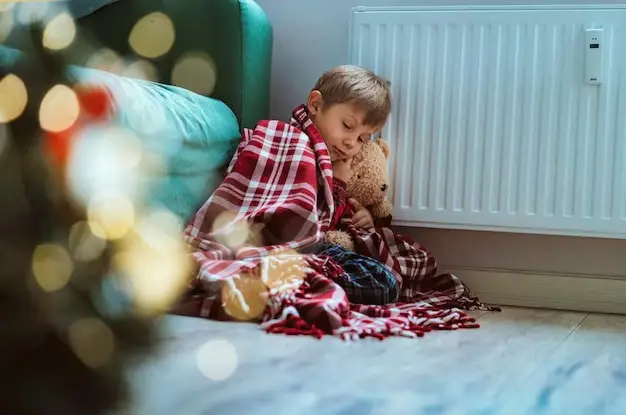
Holidays are meant to be joyous, memorable, and full of connection. Yet for many children, especially those separated from parents or primary caregivers during festive seasons, the holidays can bring emotional challenges that linger far beyond the celebration itself. Whether because of work commitments, travel, family arrangements, boarding school, or caregiver responsibilities, separation during the holidays can affect a child’s emotional well‑being.
At RMPS, we believe every child deserves emotional support, security, and opportunities to grow resilient, no matter the distance from loved ones. As a psychologist and Director of RMPS, I know this issue deeply touches families and educators alike, and that understanding children’s emotional needs empowers us to support them more effectively.
In this blog, I share evidence‑based guidance and practical strategies, supported by published research, to help children cope when they are far away during holidays.
The Emotional Impact of Separation on Children
Children’s emotional responses to separation are rooted in developmental psychology. A recent systematic review and meta‑analysis revealed that homesickness is a common experience for children separated from home and is significantly associated with symptoms of anxiety and depression during holiday or unfamiliar situations. (Demetriou et al., 2022)
This means that children’s longing for family and familiar environments isn’t “just a phase”, it’s a measurable psychological experience with real emotional consequences. In another classic study, researchers observed that homesickness during brief separations,can lead to increased depressive symptoms and internalizing behaviors, particularly in children with less prior experience with separation.
Understanding these emotional patterns helps caregivers respond with empathy and proven strategies rather than dismissiveness.
Preparation Before the Separation
Proactive preparation sets the stage for healthier emotional adjustment. Children cope better when they know what to expect, feel included in planning, and understand when they will see their loved one again (if possible).
Clear, Age‑Appropriate Communication
Open conversations that validate emotions lay a foundation of trust and emotional safety. Research on parent‑child attachment shows that a secure attachment relationship supports better emotional regulation and coping in children. Children who experience secure emotional bonds are more likely to handle stressful events, such as holiday separation, with greater resilience (Cooke et al., 2019).
This means talking early, answering questions honestly, and reassuring children that the separation won’t change the love or connection they share with their caregivers.
Visual Tools and Routines
For younger children, visual calendars, countdown charts, or storyboards that illustrate when parents will return or when they will see parents again can help make time feel more predictable. Maintaining familiar routines, like evening rituals or mealtimes, even in the absence of parents can provide emotional anchoring.
Staying Emotionally Connected Across Distance
Although physical presence matters, emotional presence matters even more. Thoughtful use of technology and intentional connection strategies can uphold emotional continuity.
Scheduled Calls and Shared Moments
Consistent video calls or voice messages provide structure and positive anticipation. These moments reinforce emotional bonds and offer reassurance when children miss their caregivers.
Tangible Reminders of Home
Handwritten letters, postcards, voice recordings, or holiday care packages are physical reminders of love and presence. Transitional or comfort objects, like a blanket or favorite toy, have been shown to reduce anxiety in children when they are away from familiar caregivers.
These tokens do more than comfort; they serve as emotional bridges between the child’s current environment and their sense of home.
Creating Positive and Supportive Experiences
Separation doesn’t have to mean loneliness. A growing body of research shows that structured activities, social connection, and engagement can help children adjust emotionally and find positivity even in unfamiliar circumstances.
Peer Socialization and Group Engagement
Participation in community activities, holiday programs, clubs, or group games gives children opportunities to connect, make new friends, and form supportive peer relationships. Peer engagement contributes to emotional well‑being and reduces feelings of isolation.
Creative Expression and Interests
Encourage children to explore hobbies, arts, sports, or creative outlets. These activities foster self‑expression and help children channel emotions constructively, reducing stress and increasing confidence.
Helping Children Develop Emotion Regulation Skills
Emotion regulation, the ability to understand, express, and manage feelings, helps children to cope with separation. Strategies that support emotional regulation can help children manage anxiety, sadness, or frustration during holidays.
Validate Emotions Through Active Listening
When a child says “I miss my mom” or “why can’t they be here with me?,” acknowledge the sentiment. Validation does not dismiss the feeling; it honors it. Statements like:
“It sounds like you really miss Grandma. That must feel hard.”
help children feel understood and supported.
Mindfulness and Coping Techniques
Simple breathing exercises, guided visualization, or calm play can help children manage stress. Research on coping responses among youth shows that children who feel a sense of control and engage in adaptive coping, such as engaging activities, show reduced distress related to separation (Thurber & Weisz, 1997).
Supporting Children at Different Ages
Coping strategies should respect developmental differences:
- Early Childhood (3–6 years): Younger children benefit most from physical reassurance, visual cues, and shared routines.
- Middle Childhood (7–12 years): Older children can engage in conversations about feelings, set communication schedules, and participate in planning activities.
- Adolescents (13–18 years): Teenagers appreciate autonomy and meaning in activities. Encourage meaningful projects, social involvement, and opportunities to connect with peers.
Additional Research on Attachment and Separation
A clear and consistent theme across child development research is the role of secure attachment relationships in supporting emotional adaptability. Children who perceive their caregivers as reliable, communicative, and emotionally available show stronger emotional resilience during separation and lowered anxiety symptoms.
When caregivers consistently respond to children’s needs, even when apart, they reinforce the child’s sense of security, which in turn supports healthier coping mechanisms.
Recognizing When Extra Support Is Needed
While some children adjust with parental or caregiver understanding and nurturing guidance, some might show persistent emotional distress. Signs include:
- Ongoing sadness or withdrawal
- Changes in sleep or appetite
- Angry or aggressive behaviour or words (often at the caregiver who is present)
- Excessive fear or anxiety
- Increased irritability or missed participation
These patterns may signal a need for professional support from a child psychologist, counselor, or mental health specialist. Early support can prevent longer‑term challenges.
The Importance of the Reunion
Reunion after separation is a joyful moment, and also a sensitive one. Children may need time to share their experiences, express mixed emotions, or re‑establish routines. Be patient and open to dialogue. Ask gentle questions like:
“What did you enjoy most during the holidays?”
“Was there anything that felt hard or uncomfortable?”
These conversations can strengthen bonds and reinforce emotional processing.
Final Thoughts from the Director of RMPS
At RMPS, we are committed to nurturing emotionally healthy, confident, and resilient children. Being physically away from loved ones during holidays may be challenging, but it can also become an opportunity for growth, if children are supported with empathy, structure, and evidence‑based strategies.
Every child deserves to feel connected, secure, and understood, not just on holidays, but every day of their emotional journey. As parents, caregivers, and educators, let us validate children’s feelings, equip them with coping tools, and create environments that reinforce emotional well‑being even across distances.
When we do this thoughtfully and intentionally, absence does not have to mean loneliness, it can become a chapter in a child’s story of courage, resilience, and connection.
References
Demetriou, E. A., Boulton, K. A., Bowden, M. R., Thapa, R., & Guastella, A. J. (2022). An evaluation of homesickness in children: A systematic review and meta-analysis. Journal of affective disorders, 297, 463–470. https://doi.org/10.1016/j.jad.2021.09.068
Cooke, J. E., Kochendorfer, L. B., Stuart-Parrigon, K. L., Koehn, A. J., & Kerns, K. A. (2019). Parent-child attachment and children’s experience and regulation of emotion: A meta-analytic review. Emotion (Washington, D.C.), 19(6), 1103–1126. https://doi.org/10.1037/emo0000504
Thurber, C. A., & Weisz, J. R. (1997). “You can try or you can just give up”: the impact of perceived control and coping style on childhood homesickness. Developmental psychology, 33(3), 508–517. https://doi.org/10.1037//0012-1649.33.3.508